- A new IEA PVPS report assesses the challenges of and technological innovations for partially shaded PV systems
- They believe conventional string inverters sometimes achieve better performance in these applications than the optimizers
- PV software tools rely on technical specifications available in the datasheet, hence real life performance of MLPEs with such systems is not completely reliable
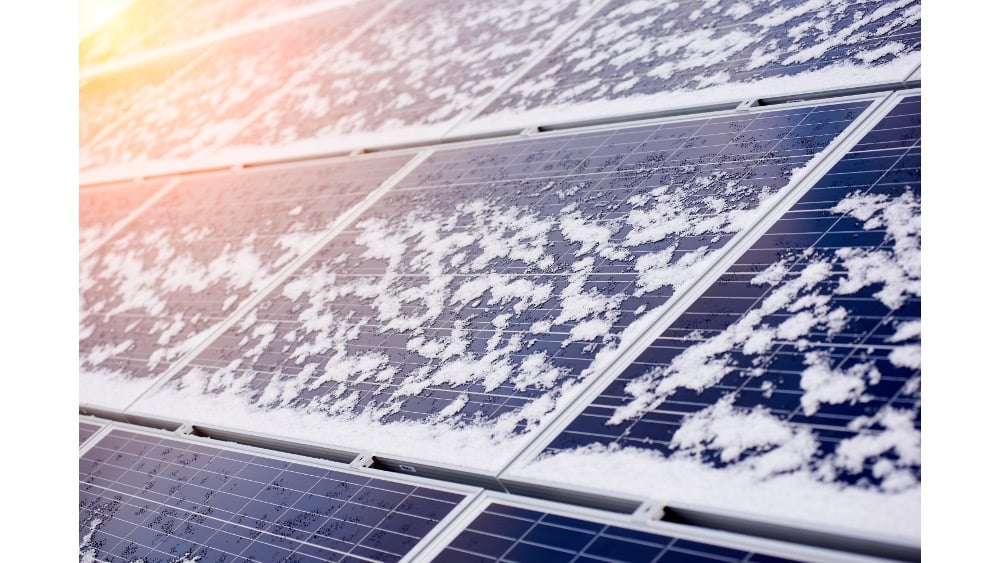
Solar PV systems work best when these are fully exposed to their primary source of energy, the Sun, however several PV generators have to face the challenge of partial shading impacting their ability to harness energy effectively, leading also to significant losses. However, solutions are at hand.
The International Energy Agency’s Photovoltaic Power Systems Programme (IEA-PVPS) report on the subject is titled Performance of Partially Shaded PV Generators Operated by Optimized Power Electronics.
This report under Task 13 investigates the comparative performance of various power electronic systems, including conventional string inverters (SINV), and module-level power electronics (MLPE) and their role in optimizing energy performance for partially shaded PV generating systems.
According to the IEA PVPS report, detailed investigation into technological aspects show a lot of scope for improvement. Its report writers believe that conventional string inverters sometimes help partially shaded PV generators achieve better performance than the latter’s pairing with optimizers.
“With medium to heavy shading, the widely used DC/DC converters directly on the PV module (MLPE), often also called power optimisers, can be used profitably. However, the combination of shade-tolerant PV modules with conventional SINVs can often deliver comparable annual yields. However, if the optimisers are also used behind each module even with weak shading (allMLPE), they deliver less yield in total than the simple SINV, as their own DC/DC losses then have a negative impact compared to simple connectors,” reads the report.
While the MLPE manufacturers only offer the best case efficiency in their datasheet, real efficiency is lower by typically 1% to 2.5%. Since the commercial PV software planning tools currently use MLPE manufacturer provided data, the data is actually insufficient.
“When it comes to comparing the probability of failure rates of optimisers due to the higher ambient temperature on the roof compared to string inverters in the building, the experts still must wait for independent studies of service cases during replacement in the field,” explain the report writers.
Commercial PV software tools must factor in the actual operating points of each optimizer based on each solar cell of the module to provide realistic component efficiency data, instead of using simple average ‘unrealistic’ weighted optimizer efficiency data, recommends the report.
The complete report is available for free download on IEA PVPS website.